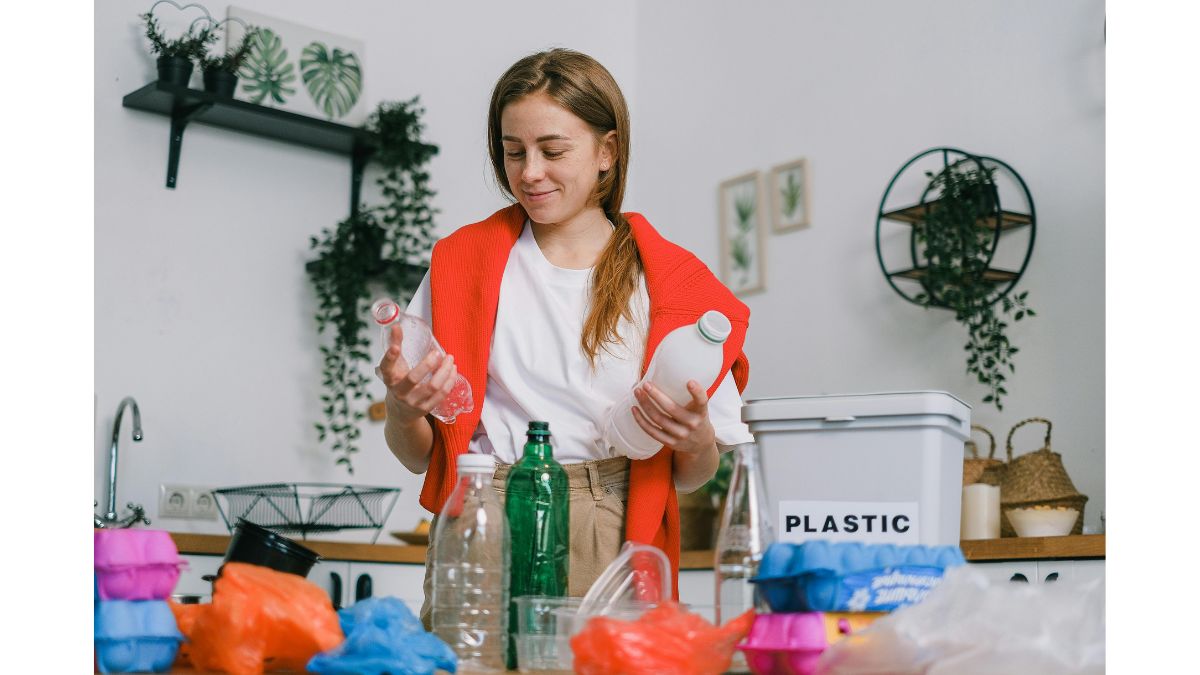
If you want sustainability habits to actually stick, the best approach is to start with changes that fit your normal life instead of trying to redesign everything at once. Small habits like cutting food waste, carrying a reusable bottle, buying fewer disposable items, and using energy more carefully tend to last longer than ambitious overhauls that feel exhausting after a week.
A lot of people want to live more sustainably but get discouraged because the idea is often presented as all or nothing. In reality, the most durable habits are usually boring in the best way. They are practical, repeatable, and built around what your household is already doing every day. That is what makes them effective.
Why some sustainability habits fail fast
Many good intentions fail because they are built around pressure instead of practicality. If a habit is too expensive, too complicated, or too easy to forget, it usually falls apart. That is why sustainability works better when it is attached to convenience, money savings, or something else that reinforces it naturally.
A reusable item that lives where you need it will get used. A habit that requires constant effort and perfect discipline usually will not.
Start with the habits that save money too
One of the easiest ways to make sustainable living feel realistic is to start with actions that also reduce wasteful spending. Planning meals, using leftovers better, carrying a water bottle, buying fewer single-use products, and turning off unnecessary lights all work in part because they save something tangible as well. Sustainability habits are easier to keep when they feel rewarding right away.
That makes them much more likely to become ordinary routines instead of short-lived experiments.
Make the better option the easier option
The most successful sustainability habits are often built through setup, not willpower. Keep reusable bags in the car. Store containers where you actually pack food. Put a water bottle where you leave the house. Set reminders for maintenance tasks. Make the sustainable choice easier to reach than the wasteful one.
This sounds small, but it changes behavior fast. A habit does not need to feel noble to work. It just needs to be easier than the alternative often enough.
| Habit | Why it sticks | What helps |
|---|---|---|
| Using reusable bags | Easy once stored in the car | Keep extras by the door too |
| Reducing food waste | Saves money and clutter | Meal plan lightly, use a fridge “eat first” section |
| Carrying a water bottle | Convenient and repeatable | Keep one in your bag or vehicle |
| Lower energy use | Reduces bills | Focus on lights, laundry, and standby power |
| Buying fewer disposable items | Cuts repeat purchases | Start with one or two swaps, not ten |
Do less, but do it consistently
One of the strongest sustainability mindsets is doing fewer things more consistently. You do not need ten new eco habits this month. You need one or two that keep happening six months from now. That could mean washing more clothes in cold water, composting food scraps, or just getting more thoughtful about what comes into the house.
Consistency is what turns environmental intention into actual household change.
Let one habit lead to the next
Sustainability habits often build on each other. Once people start reducing food waste, they often become more thoughtful shoppers. Once they carry a reusable bottle, they notice other single-use habits. Once they start paying attention to power use, they may become more aware of heating, cooling, and appliance behavior too.
This is why starting small is not settling. It is usually the fastest way to create real momentum.
Final thoughts
The sustainability habits that actually stick are the ones built around real life. They save time, reduce waste, cut costs, or fit neatly into routines you already have. Start with what feels manageable, make the better option easier to follow, and let consistency do the heavy lifting. Long-term change usually begins with habits that are simple enough to keep.
Leave a Reply