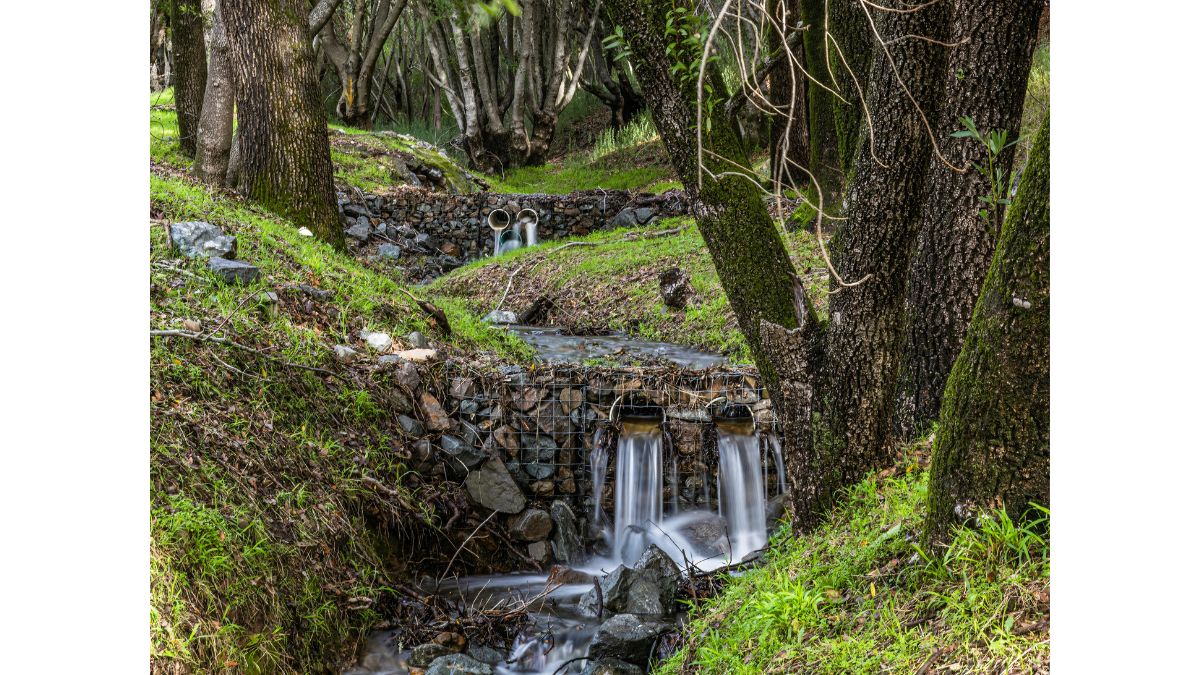
Stormwater runoff matters because it affects both flooding and water quality, and many homeowners underestimate how much their own property contributes to it. When rain runs off roofs, driveways, compacted soil, streets, and lawns instead of soaking into the ground, it can carry sediment, debris, fertilizer, oil, and other pollutants into nearby drainage systems and waterways. That makes runoff more than just a drainage issue. It is a household environmental issue too.
Many people notice runoff only when the ditch fills fast, the yard washes out, or the street floods. But the bigger problem often starts earlier. Water that moves too quickly across the land does not have much chance to filter through soil or vegetation. That means it can reach streams, ponds, and low areas carrying whatever it picked up along the way.
Runoff is not just rainwater
One reason runoff is misunderstood is that it looks harmless. It is easy to think of it as just excess rain. But the path it takes matters. As water moves across pavement, lawns, and disturbed ground, it may collect pollutants and deliver them elsewhere. In developed neighborhoods, that can mean storm drains and creeks. In more rural areas, it can mean ditches, ponds, stream edges, or areas near homes and wells.
The water itself may start clean. The surface it crosses changes that quickly.
Hard surfaces make runoff worse
Roofs, roads, patios, and driveways all move water faster than vegetated ground. So does compacted soil that no longer absorbs water well. The more a property sheds water quickly, the more likely it is to contribute to pooling, erosion, and runoff-related pollution. This does not mean every home needs a major redesign, but it does mean surface choices matter more than they seem to.
Even simple grading and drainage decisions can change whether a property handles rain reasonably well or pushes the problem somewhere else.
Everyday household habits contribute too
Stormwater problems are not caused by pavement alone. Lawn chemicals, pet waste, exposed soil, leaves clogging drains, and outdoor storage habits can all shape what runoff picks up. A property does not need to look neglected to contribute to runoff issues. Normal habits can do it too.
That is actually useful to remember, because it means homeowners have real opportunities to improve the situation without taking on massive projects.
| Property condition | How it affects runoff | Simple improvement |
|---|---|---|
| Downspouts aimed at hard surfaces | Moves roof water quickly away | Redirect toward better drainage areas |
| Compacted bare soil | Reduces infiltration | Add planting, mulch, or soil improvement |
| Over-fertilized lawn | Raises nutrient runoff risk | Use less and apply more carefully |
| Debris-clogged drainage path | Encourages backup and overflow | Clean and maintain before storms |
| Too much impervious surface | Speeds runoff and reduces absorption | Increase planted or permeable areas where possible |
Runoff connects properties to bigger environmental problems
One of the most important things to understand is that runoff rarely stays where it starts. Water leaving one property often becomes a problem for another space down slope or downstream. That is why localized runoff contributes to broader environmental pressure. A property owner may only notice puddling at the curb, but that same runoff may help degrade water quality farther away.
This is one reason stormwater matters in both neighborhoods and rural communities. The setting changes, but the basic relationship between land surface and water movement stays the same.
Small changes are often enough to help
Runoff reduction does not always mean installing elaborate drainage systems. Sometimes it is as simple as redirecting downspouts, improving grading, reducing exposed soil, planting more strategically, or being more careful with what gets washed across the property during rain. What matters most is slowing water down and giving it more chances to soak in before it leaves the site carrying extra pollutants.
That approach tends to improve both property function and environmental outcomes at the same time.
Final thoughts
Stormwater runoff matters because it shapes both household drainage and local environmental quality. The more quickly water leaves a property, the more likely it is to carry problems with it. Paying attention to runoff is one of the most practical ways homeowners can think more clearly about land, water, and the environmental impact of everyday property decisions.
Leave a Reply